


Shared hosting is a widely-used web hosting solution, especially for individuals and small businesses.
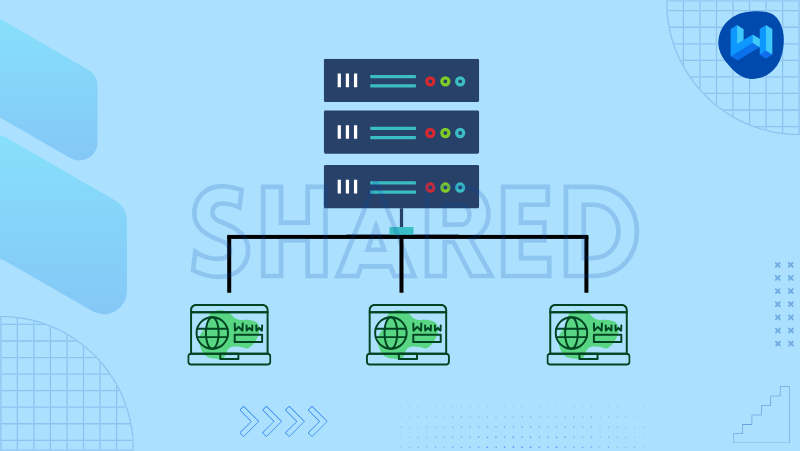
In this setup, multiple websites are hosted on a single physical server, sharing its storage, bandwidth, and processing power. This makes shared hosting an affordable and user-friendly option, which is particularly attractive to those launching their first websites.
In shared hosting, a single server’s resources are distributed across several users, helping reduce costs. However, this also means limited performance and customization options compared to other hosting solutions. This article explores how shared hosting works, its key features, the advantages and drawbacks of this approach, and how it compares to other hosting types.
How Shared Hosting Works
In shared hosting, multiple websites are stored on one physical server. These websites share resources such as CPU, RAM, disk space, and bandwidth. The server is maintained by the hosting provider, which ensures it runs efficiently and allocates resources based on the websites’ usage needs.
Website owners using shared hosting plans generally have limited access to the server’s backend. Most administrative tasks are handled through a user-friendly control panel, making it easier for users with little technical expertise to manage their websites. While shared hosting is affordable, it does come with the risk that if one website experiences a traffic spike or consumes too many resources, the performance of other websites hosted on the same server may be impacted.
Key Features of Shared Hosting
- Resource Pooling: Server resources, including CPU, RAM, and bandwidth, are shared across all websites hosted on the server. This can lead to performance issues if one site consumes an excessive amount of resources.
- Low-Cost: Shared hosting is one of the most affordable hosting options available, making it ideal for personal websites, small businesses, and those just starting out.
- Managed Server Maintenance: The hosting provider manages all server-related tasks, including software updates, security patches, and technical support. This reduces the user’s workload significantly.
- Limited Customization: Users have limited control over server configurations, as settings are predefined by the hosting provider. This lack of customization can be a disadvantage for more advanced users.
Benefits of Shared Hosting
- Scalability: As a beginner’s hosting solution, shared hosting offers an easy upgrade path. If your website grows in traffic and complexity, you can easily switch to a more powerful hosting plan or type.
- Affordability: Shared hosting is an inexpensive choice for those with limited budgets, making it ideal for startups, small businesses, or personal projects.
- Ease of Use: Most shared hosting plans come with an intuitive control panel, such as cPanel, that allows even those with minimal technical knowledge to manage their websites.
- Maintenance-Free: With the hosting provider handling server upkeep, security updates, and software patches, users can focus solely on running their websites without worrying about technical management.
Limitations of Shared Hosting
- Fluctuating Performance: If one website on the server experiences a surge in traffic, it can slow down the performance of other sites on the same server, leading to inconsistent load times and delays.
- Limited Resources: Shared hosting plans come with fixed limits on bandwidth, storage, and CPU usage, which may not suffice for websites that require more resources or receive high traffic volumes.
- Restricted Control: Users have limited access to server settings and configurations, which means they can’t customize the server environment as needed to optimize performance.
- Security Risks: Since multiple websites share the same server, there’s a higher risk that a security breach on one site could affect others, making it more vulnerable to attacks.
Shared hosting is a solid choice for those who are starting small and need an affordable, hassle-free hosting solution. However, as your website grows, you might need to consider other hosting options that provide more resources and customization.
Shared Hosting vs. Other Hosting Types
While shared hosting is an affordable and easy-to-use option, there are several other hosting types that offer different levels of performance, control, and cost. Let’s compare shared hosting with VPS hosting and dedicated hosting to understand their key differences.
Shared Hosting vs. VPS Hosting
Shared Hosting: In shared hosting, multiple websites share the same physical server and its resources, such as CPU, RAM, and bandwidth. While this makes shared hosting a very affordable option, it also means that if one website consumes too many resources, it can slow down or disrupt the performance of other websites on the same server. Shared hosting is generally suitable for small websites or personal projects that don’t expect high traffic volumes.
VPS Hosting: A Virtual Private Server (VPS) offers a more powerful and customizable solution. While a VPS still shares a physical server, each user gets a dedicated virtual partition of the server’s resources, providing better performance, more control, and greater flexibility. Since the resources are allocated separately to each user, a VPS can handle higher traffic and more complex websites. However, it comes at a higher cost than shared hosting, making it a better fit for growing businesses or websites with increasing traffic.
Shared Hosting vs. Dedicated Hosting
Shared Hosting: As mentioned earlier, shared hosting is the most budget-friendly option, but it has its limitations. Server resources are shared among many users, which means there is limited flexibility, control, and performance. Shared hosting is ideal for smaller websites that do not require a lot of customization or high performance.
Dedicated Hosting: Dedicated hosting is the most powerful option, providing an entire physical server for a single user. This means maximum control over server settings, higher performance, and more customization options. Since no resources are shared, dedicated hosting is well-suited for large websites, e-commerce platforms, or applications that require robust performance and security. However, this comes at a significantly higher cost, making it more suitable for high-traffic websites or large businesses that can justify the investment.
Summary of Differences:
| Feature | Shared Hosting | VPS Hosting | Dedicated Hosting |
|---|---|---|---|
| Resource Allocation | Shared among many users | Virtual partition with dedicated resources | Entire server dedicated to one user |
| Cost | Most affordable | More expensive than shared hosting | Most expensive |
| Performance | Can fluctuate based on other users | Consistent performance, more control | Maximum performance, no shared resources |
| Control & Customization | Limited control over settings | More control over server environment | Full control over server configuration |
| Ideal For | Small websites, personal projects | Growing websites, medium-sized businesses | Large websites, high-traffic platforms |
Who Should Use Shared Hosting?
Shared hosting is an excellent choice for individuals and small businesses with limited budgets and minimal technical expertise. It’s ideal for those who want to quickly get a website online without the complexities of server management. Whether you’re starting a blog, a personal website, a small e-commerce store, or a portfolio, shared hosting provides a cost-effective and user-friendly solution.
This type of hosting works best for low to medium-traffic websites that don’t require extensive customization or high-end performance. It’s a great starting point for new website owners who are just beginning to establish their online presence. As your site grows, shared hosting allows for easy upgrades to more powerful hosting solutions that can better handle increased traffic and resource demands.
Cost Efficiency
One of the biggest advantages of shared hosting is its affordability. Since multiple websites are hosted on a single server, the costs are shared among the users, making it very inexpensive. Hosting plans can cost as little as a few dollars per month, which makes it an accessible option for small businesses or individuals just starting out.
Despite its low cost, shared hosting typically provides all the essential features you need to run a basic website effectively. This includes user-friendly control panels, such as cPanel, basic security features, and the ability to easily scale your hosting as your website grows.
Security Considerations
While shared hosting is budget-friendly, it does come with certain security risks:
- Shared Vulnerabilities: Since multiple websites share the same server, if one website gets compromised, it could potentially affect others hosted on the same server. A virus or hack could spread to other sites.
- Limited Security Controls: Users have limited access to the server’s security configuration, which means they must rely on the security measures provided by the hosting provider. This can restrict your ability to implement advanced security features on your own.
- SSL Certificates: Most shared hosting plans support SSL certificates, which are essential for encrypting data and ensuring secure communication, especially for e-commerce websites.
- Security Provided by Host: Many hosting providers offer additional security measures such as firewalls, DDoS protection, and regular security patches. However, the level of protection can vary depending on the provider’s security protocols.
Performance Impact
In shared hosting, the performance of your website is heavily influenced by the other sites on the same server. If another website experiences a sudden surge in traffic or consumes too many server resources, it can slow down the performance of your site. This can lead to longer load times, slower page rendering, and inconsistent performance, especially during peak traffic periods.
Most shared hosting providers place resource limits to prevent one site from monopolizing server resources. However, these limitations can also affect your website’s performance as it grows. For smaller sites with low to moderate traffic, shared hosting can be sufficient, but it may struggle with higher traffic volumes or resource-intensive websites.
How to Choose Shared Hosting
When selecting a shared hosting plan, consider the following factors:
- Pricing: While cost is important, don’t just opt for the cheapest plan. Instead, balance cost with the quality of service, performance, and features offered. Sometimes, paying a little more can give you better value in the long run.
- Website Needs: Estimate your website’s traffic, storage requirements, and the type of content you’ll be hosting. Make sure the plan you choose can accommodate your website’s current and future needs.
- Scalability: Check if the hosting provider offers easy upgrade paths to higher-tier plans as your website grows. This is important for ensuring a seamless transition as your traffic and resource demands increase.
- Essential Features: Look for plans that include key features such as SSL certificates, automatic backups, and an intuitive control panel (like cPanel). These features will help simplify website management.
- Provider Reputation: Investigate the hosting provider’s reputation for uptime reliability and customer support. A reliable host will ensure your site remains available and offer assistance if issues arise.
Conclusion
- Shared Hosting is best for small websites and personal projects that need an affordable and easy-to-manage solution but don’t require high performance or customization.
- VPS Hosting is a good choice for businesses that have outgrown shared hosting and need better performance, more control, and room to scale, but are not ready for a dedicated server.
- Dedicated Hosting is the top-tier option for large websites or businesses that need maximum control, security, and performance, with no sharing of server resources.
As your website grows, it’s important to evaluate your needs and decide which hosting type offers the best balance of performance, flexibility, and cost for your specific situation.